
Defense contractors actively recruit veterans, leveraging their unparalleled experience and specialized skills. This strategic hiring practice strengthens national security projects while offering meaningful second careers to those who have served.
The Strategic Advantage: Why Veterans Are a Natural Fit
Veterans possess a unique skill set that translates directly into a strategic advantage for the civilian workforce. Their training instills unparalleled discipline, resilience under pressure, and a profound commitment to teamwork and mission success. These individuals are adept at complex problem-solving and thrive in structured, goal-oriented environments. Furthermore, their experience in high-stakes situations cultivates a level of leadership and adaptability that is invaluable in dynamic business landscapes. This combination of practical leadership and operational expertise makes them a natural fit for roles demanding accountability and strategic execution.
Immediate Operational Readiness and Technical Proficiency
Veterans bring a unique and powerful strategic advantage to the civilian workforce. They are trained to operate under pressure, adapt to dynamic situations, and lead diverse teams toward a common objective. This background in mission-critical planning and execution translates directly into reliable, decisive, and resilient employees. Their experience isn’t just about following orders, but about understanding the bigger picture. Organizations that leverage this proven leadership and complex problem-solving skills gain a significant competitive edge.

Leadership Under Pressure and Decision-Making
Veterans possess a unique and proven leadership skillset forged in high-stakes environments, making them a strategic asset for any organization. They bring an unparalleled ability to execute under pressure, adapt to dynamic situations, and foster cohesive, mission-focused teams. This background directly translates to enhanced operational resilience and a disciplined work ethic. Hiring veterans is not just an act of service; it is a smart investment in a talent pool with a demonstrated capacity for strategic thinking and unwavering commitment to excellence, driving tangible business outcomes.
Understanding the End-User and Mission Focus
In the high-stakes world of business, teams crave members who remain calm under pressure. Veterans bring this **proven leadership in high-pressure environments** directly from the battlefield to the boardroom. Their training instills a unique blend of discipline, adaptability, and mission-focused execution. They understand how to assess complex situations, delegate authority, and persevere toward a strategic objective when plans change. This isn’t just theory; it’s a resilience forged in circumstances where clarity and teamwork are paramount. Hiring a veteran means integrating a strategic asset who views obstacles as missions to be accomplished.
**Q: What is the single biggest advantage veterans offer a company?**
**A:** A deeply ingrained https://www.wxyz.com/lifestyle/these-are-the-best-companies-for-veterans-according-to-monster resilience and ability to execute a mission with focus and adaptability, regardless of changing conditions.
Robust Security Clearances and Adherence to Protocol
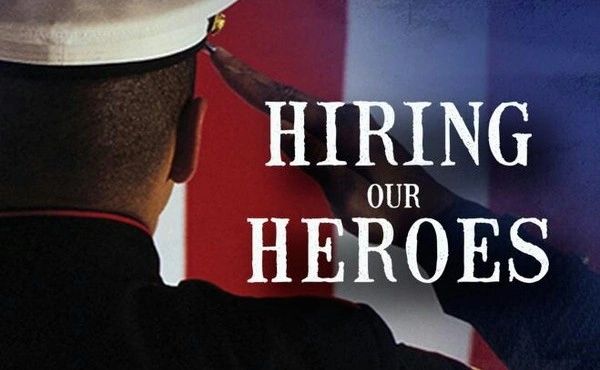
Veterans bring a **proven leadership in high-pressure environments** directly to the civilian workforce. Forged in demanding roles, they operate with unparalleled discipline, resilience, and a mission-focused ethos. Their ability to assess complex situations, adapt to dynamic challenges, and execute under strict deadlines translates into immediate organizational value.
This ingrained strategic mindset allows them to see the bigger picture and drive teams toward clear objectives.
Companies gain agile problem-solvers who enhance operational efficiency and strengthen team cohesion from day one.
Key Roles for Veterans in the Defense Sector
After trading uniforms for civilian attire, many veterans discover their service has only just begun within the defense sector. Their irreplaceable experience fills critical roles as operational analysts, cybersecurity specialists, and test and evaluation experts, where their firsthand knowledge of systems and tactics proves invaluable. They become the crucial bridge between cutting-edge technology and the warfighter, ensuring new tools are both practical and resilient. Their legacy of service thus continues, not on the front lines, but in the labs and boardrooms shaping future national security. This deep understanding allows them to anticipate real-world challenges long before a prototype ever reaches the field.
Engineering, Systems Integration, and Maintenance
Veterans provide indispensable expertise to the **national defense industrial base**, transitioning seamlessly into critical roles that leverage their operational experience. They excel as systems engineers, ensuring complex military platforms meet rigorous specifications, and as cybersecurity analysts, defending networks from advanced threats. Their firsthand understanding of doctrine and end-user needs makes them invaluable program managers and logistics specialists. This direct experience is irreplaceable for developing effective defense solutions. Employing veterans strengthens innovation and ensures taxpayer investments yield capable, reliable systems for warfighters.

Program Management and Logistics
Beyond their service, veterans continue their mission within the defense sector, serving as indispensable assets. Their firsthand operational experience provides unparalleled insight for defense sector talent acquisition, ensuring new technologies and strategies are grounded in real-world application. They excel as systems engineers, cybersecurity analysts, and project managers, where their discipline and understanding of critical protocols protect national security from the inside out. Their transition is not an end, but a continuation of duty in a new theater.
**Q&A**
**Q:** Why are veterans particularly suited for defense cybersecurity roles?
**A:** Their trained adherence to security protocols and understanding of adversarial tactics make them natural defenders of digital infrastructure.
Cybersecurity and Intelligence Analysis
Veterans provide indispensable expertise within the **defense sector workforce**, transitioning their operational experience into critical roles. They serve as strategic consultants, systems engineers, and cybersecurity analysts, directly applying their firsthand knowledge of military protocols and equipment to enhance national security infrastructure. Their deep understanding of operational requirements and complex procurement cycles makes them invaluable for program management and testing new technologies. This unique perspective ensures that defense projects remain grounded in real-world application and effectiveness, bridging the gap between development and deployment.
Training, Simulation, and Field Support
Veterans provide indispensable expertise within the **modern defense industry workforce**, transitioning their operational experience into critical roles. They excel as systems engineers, ensuring complex platforms meet real-world requirements, and as cybersecurity analysts defending against advanced threats. Their leadership as project managers and firsthand knowledge as field service representatives are equally vital for mission success. This direct understanding of the end-user’s environment is an asset no civilian candidate can replicate. Leveraging this seasoned talent pool is essential for maintaining technological superiority and national security.
The Recruitment and Onboarding Process
The recruitment and onboarding process is the critical foundation for building a high-performing team. It begins with a strategic talent acquisition phase, identifying candidates who align with both the role’s requirements and the company culture. Once a selection is made, a structured onboarding program seamlessly integrates the new hire, equipping them with the necessary tools, knowledge, and connections. This efficient journey from candidate to contributor is a powerful employee engagement driver, directly boosting retention and accelerating productivity from day one.
Targeted Veteran Hiring Programs and Partnerships
The recruitment and onboarding process is a critical business operation for securing and integrating new talent. It begins with identifying a need and sourcing candidates, often through job boards and professional networks, before moving to interviews and selection. A structured onboarding program is then essential for employee retention, transitioning the hire from candidate to productive team member. This phase involves completing paperwork, introducing company culture, and providing role-specific training to ensure a smooth acclimation.
Translating Military Skills to Civilian Job Requirements
A dynamic recruitment and onboarding process is the critical first chapter in an employee’s journey, directly impacting retention and productivity. It begins with **strategic talent acquisition** to attract top candidates, followed by structured interviews and a compelling offer. Once accepted, a seamless transition into onboarding equips new hires with essential tools, knowledge, and social connections. This proactive approach fosters immediate engagement, accelerating time-to-productivity and building a foundation for long-term success within the company culture.
Structured Onboarding and Mentorship Initiatives
The recruitment and onboarding process is a company’s first chapter with a new employee, a critical narrative that sets the tone for their entire journey. It begins with **strategic talent acquisition**, identifying candidates who are both skilled and a cultural fit. A seamless transition from offer letter to first day is key, transforming a hesitant new hire into a confident team member through clear communication, necessary tools, and warm introductions. This foundational experience directly fuels employee engagement and long-term retention, making it far more than mere paperwork.
Overcoming Transition Challenges

Moving to a new country, the initial silence was deafening, a wall of unfamiliar sounds. My journey in overcoming transition challenges began not with grand gestures, but with small, daily acts of courage—ordering coffee, asking for directions. Each stumbled phrase was a brick removed from that wall. Successful cultural adaptation often looks like quiet persistence. It was in a mispronounced word that a stranger first smiled and patiently helped me. This gradual accumulation of tiny victories built the bridge to a new life, proving that personal resilience is forged in the humble moments of simply trying again.

Bridging the Cultural Gap: Military to Corporate
Overcoming transition challenges requires a deliberate strategy for navigating change. Begin by clearly defining your desired outcome to establish direction. Then, break the monumental shift into manageable, actionable steps, focusing on short-term wins to build momentum. Cultivating a resilient mindset is crucial, as it allows you to view obstacles as temporary rather than permanent. This structured approach is key to successful change management, enabling individuals and organizations to adapt and thrive. Proactively building a support network can further ease the adjustment period.
Continuing Education and Certification Support
Successfully overcoming transition challenges requires a proactive and strategic mindset. Viewing change not as a disruption but as an opportunity for strategic growth is key. By clearly defining new goals, building a robust support network, and developing adaptable skills, individuals can navigate uncertainty with confidence. This deliberate approach transforms potential obstacles into a clear pathway for advancement and personal development.
Veteran Resource Groups and Internal Support Networks
Moving to a new country, I faced a wall of unfamiliar sounds and customs. The initial isolation was profound. My strategies for successful adaptation began with small, daily victories: ordering coffee correctly, learning one local idiom. I embraced the discomfort as part of the journey, finding community in language classes and courage in simple conversations. Each stumble became a step forward, weaving my old self into this new tapestry, transforming daunting challenges into a narrative of personal growth.
The Mutual Benefit: Impact on Company and Veteran
When a veteran transitions into the corporate world, a powerful synergy unfolds. The company gains a team member forged in high-stakes environments, bringing unparalleled discipline, resilience, and a mission-focused mindset to solve complex problems. For the veteran, this new chapter offers a profound sense of purpose and belonging, translating unique skills into a thriving civilian career. This reciprocal exchange doesn’t just fill a position; it builds a stronger, more adaptable organization and honors a lifetime of service, creating a true mutual benefit that elevates everyone involved.
Enhanced Innovation and Team Cohesion
Hiring veterans offers companies a significant strategic advantage through the acquisition of highly skilled talent. Veterans bring proven leadership, adaptability, and technical proficiencies honed in demanding environments, directly enhancing operational resilience and team dynamics. This mutually beneficial relationship provides transitioning service members with meaningful civilian careers that utilize their unique skills, fostering loyalty and reducing turnover. This practice of strategic veteran recruitment builds a more capable workforce while honoring those who have served.
Fulfilling the Contractual and Social Obligation
Hiring veterans offers companies a powerful competitive advantage in talent acquisition. These professionals bring proven leadership, resilience, and advanced technical skills forged in high-stakes environments. For the veteran, a meaningful civilian career provides purpose, stability, and a successful transition. This symbiotic relationship builds a robust, adaptable workforce while honoring service.
This exchange creates a culture of discipline and mission-focus that directly enhances organizational performance.
Ultimately, this strategic hiring practice strengthens the company’s bottom line and fully leverages the nation’s investment in its service members.
Career Longevity and Veteran Retention Success
The transition from military service to civilian career is a story of immense potential, and companies that actively **hire military veterans** unlock a powerful mutual benefit. For the veteran, it’s a meaningful new mission, offering stability and a team-oriented culture where their proven leadership and resilience thrive. For the company, it’s the acquisition of a talent pool rigorously trained in adaptability, integrity, and complex problem-solving under pressure. This symbiotic relationship builds stronger, more capable organizations.
This exchange transforms disciplined service into corporate excellence.
Ultimately, the veteran finds renewed purpose, and the company gains an irreplaceable strategic asset, forging success from shared values.
